
Availability:In Stock
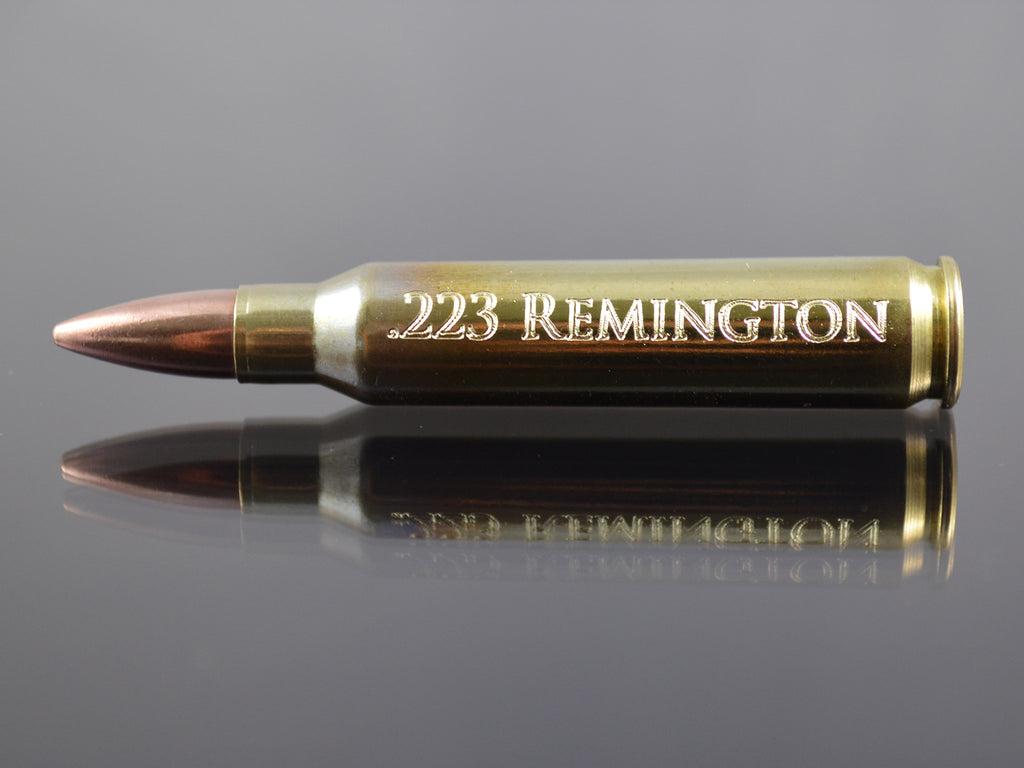
The .223 Remington is a centerfire rifle cartridge introduced in the 1960s and commonly used for target shooting, recreational range activities, and other lawful sporting uses where permitted by local regulations. It is widely adopted across a variety of rifle platforms and is known for its broad availability and range of ammunition configurations.
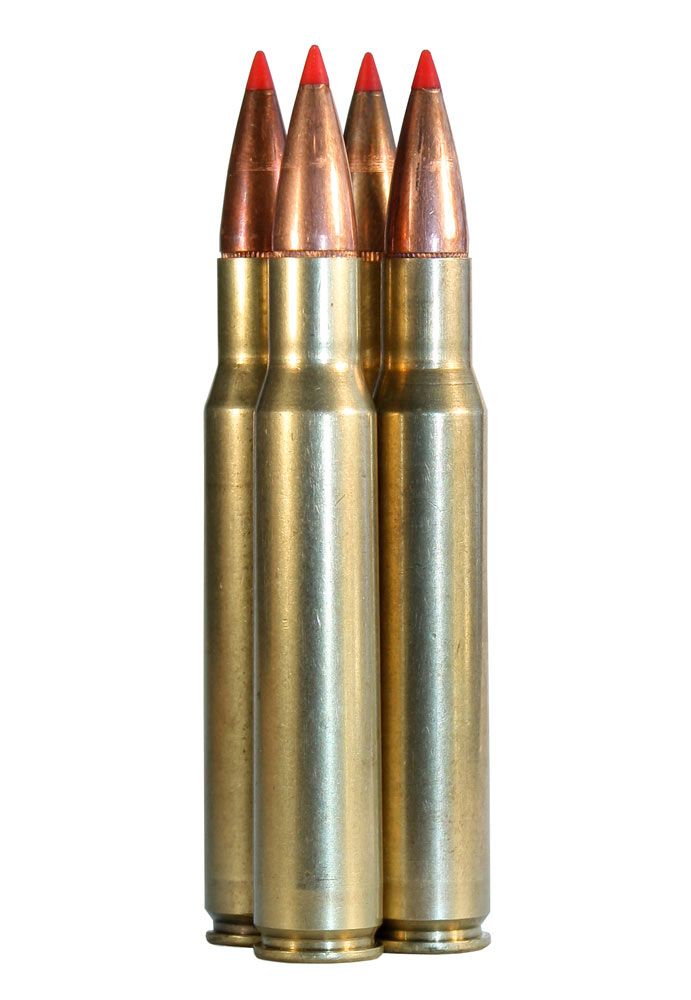
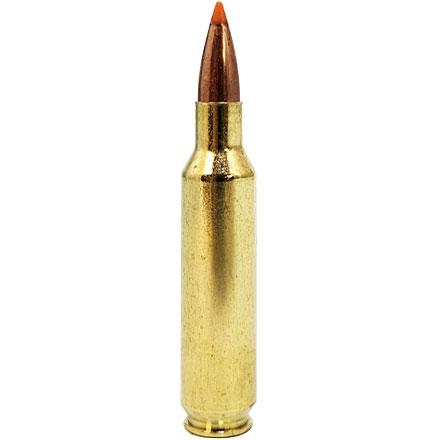
When people refer to “.223 Remington bullets,” they often mean the projectile itself, although a complete cartridge includes four components: the bullet (projectile), cartridge case, primer, and propellant.
Commercial .223 Remington ammunition is available in multiple bullet weight categories, including:
Common projectile styles include:
Performance characteristics such as velocity, recoil, trajectory, and retained energy depend on factors including bullet weight, barrel length, ammunition loading, environmental conditions, and firearm configuration.
Before use, always verify the firearm’s chamber marking and manufacturer guidance, and follow applicable laws, safe handling procedures, and secure storage practice