






What Is a Jacketed Hollow Point (JHP)? A Complete Guide
When choosing ammunition, understanding bullet design is essential for making an informed decision. One of the most recognized bullet types in modern ammunition is the jacketed hollow point (JHP). Known for its unique construction and specialized performance characteristics, JHP ammunition is widely discussed among firearm enthusiasts, competitive shooters, and those researching different ammunition options.
But what is a jacketed hollow point, how does it work, and why is it so commonly used? This guide explains the design, advantages, differences from other bullet types, and key factors to consider when learning about JHP ammunition.
What Is a Jacketed Hollow Point?


6
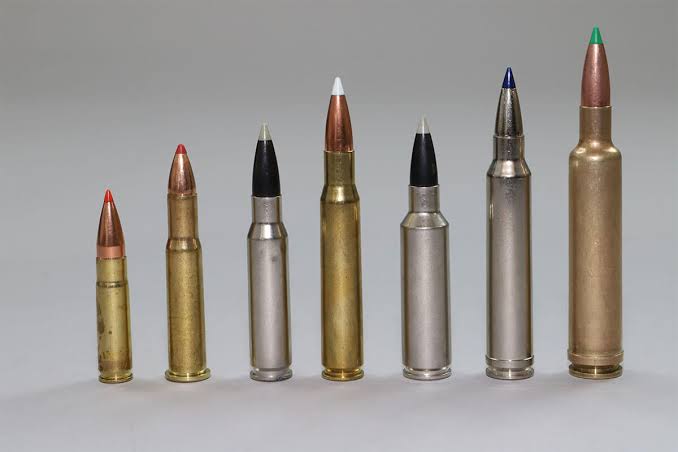
A jacketed hollow point (JHP) is a type of bullet that combines a hollow cavity in the nose with a protective metal jacket surrounding part of the lead core. This design is created to provide controlled expansion characteristics while maintaining reliable feeding and performance.
Unlike traditional full metal jacket (FMJ) bullets, which typically have a fully enclosed nose, hollow point bullets feature an opening at the front of the projectile. The jacket helps control how the bullet interacts with a target, while the hollow cavity influences the bullet’s expansion behavior.
JHP ammunition is available in many popular calibers, including 9mm jacketed hollow point, .40 S&W, .45 ACP, and other common handgun and rifle cartridges.
How Does Jacketed Hollow Point Ammunition Work?
The design of a JHP bullet includes several important components:
Bullet Jacket
The outer metal layer, often made from copper or a similar alloy, surrounds the lead core. This jacket helps improve durability, feeding reliability, and consistency.
Hollow Cavity
The opening in the bullet’s nose is a key feature of the design. It allows the projectile to behave differently compared with traditional solid-point bullets.
Lead Core
The internal lead section provides the bullet’s weight and contributes to its overall ballistic performance.
Together, these components create a specialized bullet design that has become popular for various shooting applications.
Why Are Jacketed Hollow Points Popular?


7
The popularity of jacketed hollow point ammunition comes from its combination of design features and widespread availability.
Some commonly discussed advantages include:
Reliable Performance
Many shooters choose JHP ammunition because it is engineered for consistent performance across different firearm platforms.
Reduced Lead Exposure
The jacket covering helps reduce direct contact with exposed lead compared with some traditional bullet designs.
Wide Caliber Availability
JHP rounds are manufactured for many popular firearms, making them accessible to a broad range of users.
Advanced Bullet Technology
Modern ammunition manufacturers continue developing improved JHP designs with updated materials and engineering techniques.
Jacketed Hollow Point vs Full Metal Jacket (FMJ)
Understanding the difference between JHP and FMJ ammunition can help buyers choose the right cartridge for their needs.
Jacketed Hollow Point (JHP)
- Features a hollow cavity in the bullet nose
- Uses a partial metal jacket over the lead core
- Designed with specialized performance characteristics
- Commonly available in premium ammunition lines
Full Metal Jacket (FMJ)
- Features a fully enclosed metal jacket
- Usually has a round or flat nose design
- Commonly used for training and general range practice
- Often available at a lower cost per round
The best choice depends on factors such as firearm compatibility, intended use, budget, and personal preference.
Common Applications of JHP Ammunition


5
Jacketed hollow point ammunition is used in several shooting environments, including:
- Recreational shooting
- Firearm training
- Competitive shooting disciplines
- Ammunition testing and evaluation
- Personal firearm preparedness where legally permitted
Because ammunition requirements vary, users should always follow firearm manufacturer recommendations and applicable laws.
How to Choose the Right Jacketed Hollow Point Ammo
Selecting the right JHP ammunition requires considering several important factors.
Check Your Firearm Compatibility
Always confirm that the ammunition caliber matches your firearm specifications.
Consider Bullet Weight
JHP ammunition is available in different bullet weights, which can influence velocity, handling, and overall shooting characteristics.
Compare Brands and Quality
Reputable manufacturers use different technologies and materials, so comparing specifications can help identify the best option for your needs.
Test Reliability
Firearms can perform differently with various ammunition types. Responsible users often verify that their chosen ammunition functions properly in their specific firearm.
Maintaining Your Ammunition
Proper storage helps preserve ammunition quality over time.
Recommended practices include:
- Store ammunition in a cool, dry environment
- Keep cartridges away from excessive moisture
- Avoid damaged or corroded rounds
- Follow manufacturer storage recommendations
Good storage habits help maintain ammunition condition and reliability.
Final Thoughts
A jacketed hollow point (JHP) is a specialized bullet design that combines a hollow nose cavity, metal jacket, and lead core to create a unique ammunition option. Understanding what a JHP bullet is, how jacketed hollow point ammunition works, and the differences between JHP vs FMJ ammo can help firearm owners make better-informed choices.
Whether you are researching 9mm JHP ammunition, comparing bullet designs, or learning more about modern cartridge technology, understanding the basics of jacketed hollow points is an important step. With many options available today, choosing quality ammunition that matches your firearm, preferences, and intended application is key to achieving a reliable shooting experience.