





How to Measure Draw Length: A Complete Archery Guide
Finding the correct draw length is one of the most important steps when setting up an archery bow. Whether you’re choosing a compound bow, selecting arrows, or improving your shooting form, an accurate draw-length measurement can make your equipment more comfortable and your setup more consistent.
What Is Draw Length?
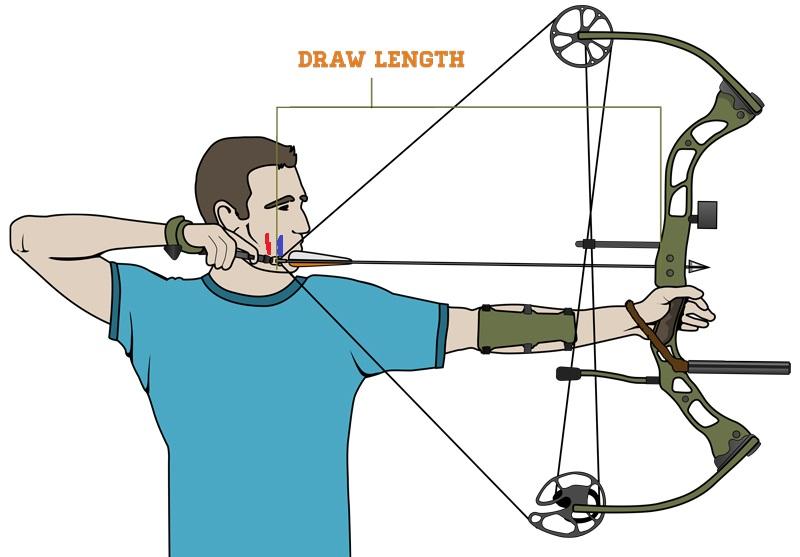
In simple terms, draw length describes how far the bowstring is pulled when the archer reaches full draw. Under the commonly used AMO/ATA convention, draw length is measured from the nocking point to the bow’s grip pivot point, with 1.75 inches added to the measurement.
Because body proportions and shooting technique differ between archers, your ideal draw length isn’t necessarily the same as another person’s—even if you are similar in height.
The Easy Wingspan Method
For a quick starting estimate, stand upright with your arms extended horizontally in a comfortable “T” position. Measure your wingspan, from the tip of one middle finger to the other.
Divide the wingspan measurement by 2.5 to estimate draw length. For example, a 70-inch wingspan produces an estimated draw length of approximately 28 inches. This method is useful for an initial estimate, but it isn’t a substitute for a proper bow fitting.
Measuring Draw Length With a Bow
For a more precise measurement, an archery shop or experienced coach can measure you at full draw using a measuring arrow or appropriate measuring equipment. Your posture, anchor position, shoulder alignment, and shooting technique should be considered rather than relying solely on a mathematical estimate.
World Archery guidance also emphasizes consistent posture and a stable anchor position when establishing an archer’s personal draw length.
Why Correct Draw Length Matters
An incorrect draw length can affect comfort, shooting form, arrow selection, bow setup, and consistency. A draw length that is too long or too short may make it harder to establish a repeatable anchor position and maintain good alignment. It can also influence arrow selection and bow performance.
For beginners especially, getting measured by a qualified archery professional is a worthwhile step before purchasing equipment.
Final Tips for Accurate Measurement
Measure more than once, maintain natural posture, and avoid stretching or collapsing your shoulders to increase the number. Treat the wingspan formula as a starting point rather than an absolute measurement.
For the best results, have your draw length, bow type, draw weight, arrow length, and arrow spine evaluated together. A properly fitted setup can make archery more comfortable while helping you develop a consistent shooting technique.