





Massachusetts Hunting License Guide: Everything You Need to Know Before You Hunt
Introduction
Planning to hunt in Massachusetts? Whether you’re a first-time hunter or an experienced outdoor enthusiast, obtaining a Massachusetts hunting license is one of the most important steps before heading into the field. The Massachusetts licensing system helps promote responsible wildlife management, hunter education, and conservation while ensuring hunters understand state regulations and safety requirements.
In this comprehensive guide, you’ll learn who needs a Massachusetts hunting license, how to apply, available license types, hunter education requirements, and important hunting regulations to help you prepare for a safe and legal hunting season.
What Is a Massachusetts Hunting License?
A Massachusetts hunting license is an official authorization issued by the Commonwealth of Massachusetts that allows eligible individuals to hunt designated wildlife species during established hunting seasons. Licenses are managed by the Massachusetts Division of Fisheries and Wildlife (MassWildlife), which oversees wildlife conservation, habitat management, and hunting regulations throughout the state.
Purchasing a hunting license also helps support conservation programs, wildlife research, habitat restoration, and public access areas that benefit both hunters and outdoor recreation enthusiasts.
Who Needs a Hunting License in Massachusetts?
Most individuals who wish to hunt in Massachusetts are required to possess a valid hunting license. Both residents and non-residents can purchase licenses, although fees and eligibility requirements may vary.
Generally, applicants must:
- Meet the minimum age requirements established by Massachusetts law.
- Complete an approved hunter education course if required.
- Follow all state hunting laws and regulations.
- Obtain any additional permits or stamps required for specific game species.
Always verify the latest eligibility requirements before purchasing your license.
Types of Massachusetts Hunting Licenses
Massachusetts offers several hunting license options designed to meet different hunting activities.
Common license categories include:
- Resident Hunting License
- Non-Resident Hunting License
- Minor Hunting License
- Sporting License
- Archery Hunting Permits
- Primitive Firearms (Muzzleloader) Permits
- Waterfowl Stamps and Federal Duck Stamp Requirements
- Deer, Turkey, Bear, and Migratory Bird Permits
Some species require additional tags or permits beyond a standard hunting license.
How to Apply for a Massachusetts Hunting License
Obtaining your hunting license is straightforward. Hunters can typically apply by:
- Creating or accessing a MassFishHunt account.
- Completing hunter education requirements, if applicable.
- Selecting the appropriate license type.
- Purchasing required permits and stamps.
- Printing or downloading your hunting license for use in the field.
Many sporting goods retailers and authorized license vendors also provide in-person licensing services.
Hunter Education Requirements
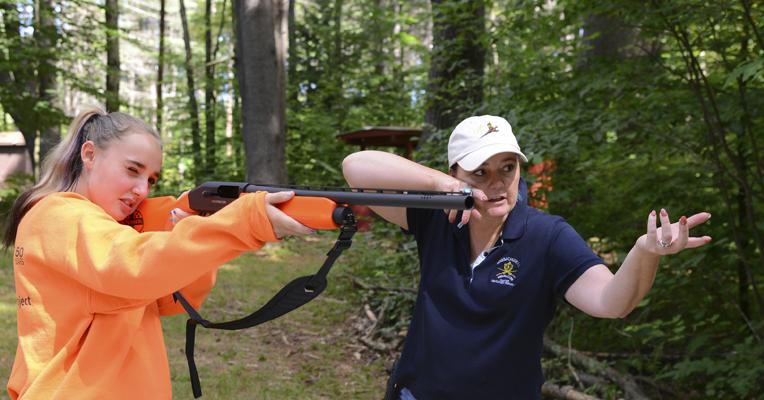
Hunter education is an essential part of safe and ethical hunting. Massachusetts requires many first-time hunters to complete a certified Hunter Education Program before purchasing their first hunting license.
These courses typically cover:
- Firearm safety
- Wildlife conservation
- Ethical hunting practices
- Hunting laws and regulations
- Outdoor survival basics
- Safe game handling
Completing a hunter education course helps reduce accidents while promoting responsible hunting traditions.
Important Hunting Regulations
Every hunter should familiarize themselves with current Massachusetts hunting regulations before each season.
Key areas to review include:
- Hunting season dates
- Legal hunting hours
- Bag limits
- Approved hunting methods
- Blaze orange clothing requirements
- Public and private land access rules
- Species-specific regulations
Because regulations can change annually, reviewing the latest rules is essential before every hunt.
Tips for a Safe and Successful Hunt
Responsible hunting begins with preparation. Before heading outdoors:
- Carry your hunting license and required permits.
- Confirm season dates and legal hunting zones.
- Inspect firearms or archery equipment before use.
- Wear appropriate safety gear.
- Respect landowners and wildlife habitats.
- Practice ethical hunting techniques.
- Properly identify your target before taking a shot.
Safe hunting protects both hunters and Massachusetts’ valuable wildlife resources.
Conclusion
A Massachusetts hunting license is more than a legal requirement—it represents a commitment to wildlife conservation, ethical hunting, and outdoor stewardship. By understanding licensing requirements, completing hunter education, and following current regulations, hunters can enjoy a safe and rewarding experience while helping preserve the state’s natural resources for future generations.
Before every hunting season, review the latest information published by MassWildlife to ensure you have the correct license, permits, and knowledge needed for a successful and lawful hunt.