





New Climbing Sticks for Hunting in 2026: Lightweight Innovation for Safer and Smarter Tree Stand Setups
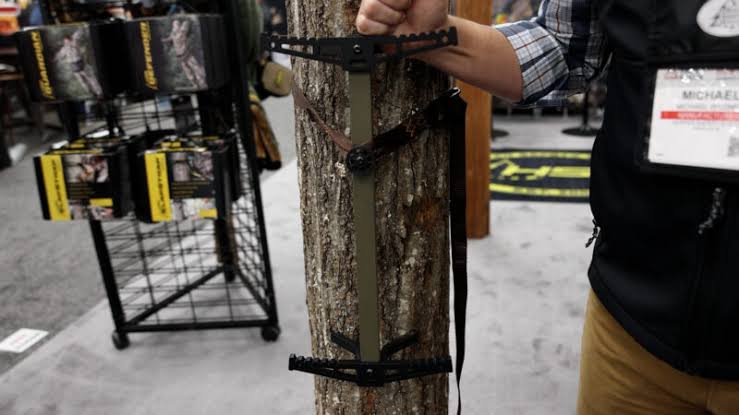
As deer hunting continues to evolve, so does the gear hunters rely on in the field. The new climbing sticks for hunting in 2026 are designed with a strong focus on lightweight construction, packability, stability, and ease of installation. Whether you’re a public land hunter covering miles on foot or a private land enthusiast refining your tree stand setup, the latest climbing sticks offer practical improvements that can enhance comfort and efficiency in the field.
From compact one-stick systems to modular climbing stick designs, manufacturers continue to introduce innovative features that make transporting and setting up equipment more convenient while supporting safe hunting practices.
Why Hunters Are Upgrading Their Climbing Sticks in 2026
Modern hunters demand equipment that balances durability with portability. Traditional climbing sticks remain effective, but many of the latest models feature weight-saving materials, improved attachment systems, and quieter designs that appeal to mobile hunters.
Popular advancements in 2026 include:
- Lightweight aluminum or carbon-fiber construction
- Compact, stackable designs for easier transport
- Improved traction on steps
- Quiet attachment systems to help reduce noise during setup
- Enhanced stability when properly installed according to manufacturer instructions
- Modular systems that can be configured for different tree heights and hunting styles
These innovations are especially attractive to saddle hunters and anyone who frequently changes locations during the season.
Lightweight Designs for Mobile Hunting
One of the biggest trends in 2026 hunting climbing sticks is reducing pack weight without sacrificing strength. Lightweight equipment can make long hikes more comfortable and simplify carrying multiple pieces of gear.
Compact climbing sticks also fit more easily on hunting backpacks, helping reduce bulk while moving through dense timber or uneven terrain.
Improved Packability
Today’s hunters often value gear that is quick to organize and transport. Many new climbing sticks feature nesting or stacking designs that minimize space in a backpack or on a pack frame.
Integrated carrying straps, streamlined attachment points, and modular construction help keep equipment organized while traveling to and from hunting locations.
Enhanced Grip and Stability
Secure footing is an important consideration when ascending or descending a tree. Many new climbing sticks incorporate aggressive step textures and wider foot platforms designed to improve traction in wet or muddy conditions.
Manufacturers also continue refining attachment methods that help minimize movement when climbing. Regardless of the equipment used, hunters should always follow the manufacturer’s instructions and use appropriate fall-protection systems whenever climbing or hunting from an elevated position.
Quiet Performance in the Field
Noise reduction remains a priority for many hunters pursuing wary game such as whitetail deer. Several climbing stick designs now feature improved hardware, coated contact points, or other design elements intended to reduce metallic noise during setup and transport.
Properly securing gear before entering the woods can also help minimize unnecessary sounds while moving to a hunting location.
Compatibility with Modern Hunting Setups
Many of the latest climbing sticks are designed to work with a variety of elevated hunting systems, including:
- Hang-on tree stands
- Saddle hunting platforms
- Mobile hunting setups
- Permanent stand locations
- Public land hunting equipment
This versatility allows hunters to tailor their equipment to different environments while maintaining a consistent climbing system.
Choosing the Right Climbing Sticks
When comparing climbing sticks, consider factors such as:
- Overall weight
- Weight capacity
- Step design
- Attachment method
- Packed dimensions
- Material construction
- Ease of transport
- Compatibility with your hunting setup
The best option depends on your preferred hunting style, the terrain you hunt, and the type of trees commonly found in your area.
Safety Comes First
No matter how advanced climbing stick technology becomes, safe use remains essential. Before every hunt:
- Inspect equipment for wear or damage.
- Follow the manufacturer’s installation and weight-limit guidelines.
- Use an appropriate full-body fall-arrest system or other recommended safety equipment when climbing or hunting from an elevated position.
- Practice using new equipment at ground level before relying on it in the field.
- Avoid climbing during severe weather or when conditions make the tree unsafe.
Regular inspection and proper maintenance can help extend the life of your equipment and support safe operation.
Final Thoughts
The new climbing sticks for hunting in 2026 reflect the growing demand for lightweight, compact, and user-friendly gear. With improvements in materials, portability, traction, and modular design, today’s climbing sticks are well suited for hunters who value mobility and efficient tree stand setups.
Whether you’re preparing for whitetail season, exploring saddle hunting, or upgrading your existing equipment, choosing climbing sticks that match your hunting style and using them according to the manufacturer’s instructions can help you enjoy a more organized and comfortable experience in the field. As always, prioritize safety, maintain your equipment, and follow ethical hunting practices to make the most of every season.