






Bullet Weight vs. Bullet Speed: Understanding the Difference
Whether you’re new to shooting sports or simply interested in firearm ballistics, you’ll often encounter discussions about bullet weight vs. bullet speed. These two factors play a significant role in how ammunition performs, but they serve different purposes depending on the firearm, intended application, and shooting conditions.
Understanding these basic concepts can help you make informed decisions for target shooting, sport shooting, and general firearms education.
What Is Bullet Weight?
Bullet weight refers to the mass of the projectile and is typically measured in grains (gr). One grain equals approximately 1/7,000 of a pound. Common bullet weights vary depending on the caliber and intended use.
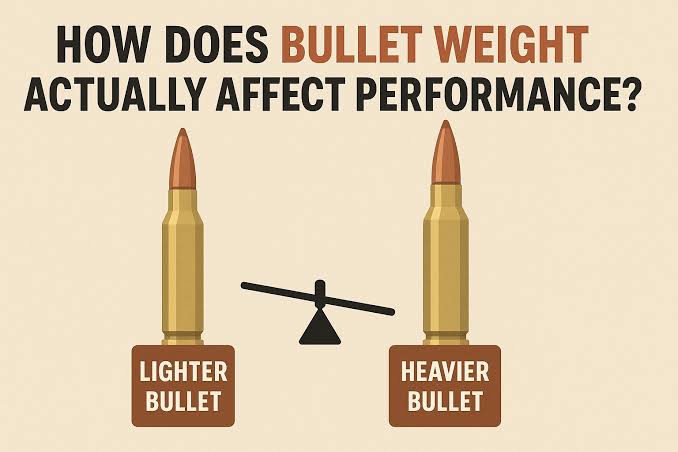
Heavier bullets generally contain more mass, while lighter bullets weigh less and may behave differently when fired. Manufacturers offer a range of bullet weights so shooters can choose ammunition appropriate for their firearm and intended sporting application.
What Is Bullet Speed?
Bullet speed, also known as muzzle velocity, measures how fast a bullet travels as it leaves the barrel. It is commonly expressed in feet per second (fps) or meters per second (m/s).
Velocity is influenced by several factors, including:
- Ammunition design
- Powder charge
- Barrel length
- Firearm characteristics
- Environmental conditions
Higher velocity does not automatically mean better overall performance. Instead, it represents one aspect of a cartridge’s design.
How Bullet Weight and Speed Work Together
Bullet weight and velocity are closely connected. In many cases, lighter bullets can achieve higher muzzle velocities, while heavier bullets may travel at lower speeds. Manufacturers carefully balance these characteristics to create ammunition suited for specific purposes, such as recreational target shooting, competitive shooting, or precision applications.
Rather than focusing on one factor alone, shooters often consider the complete cartridge design and how it performs in their particular firearm.
Factors That Influence Ammunition Performance
Modern ammunition performance depends on more than just weight or speed. Important considerations include:
Bullet Design
The shape and construction of a projectile influence its flight characteristics and accuracy.
Consistency
High-quality ammunition is manufactured with consistent components, helping improve reliability and repeatability.
Firearm Compatibility
Every firearm has its own barrel length, chamber specifications, and twist rate, all of which can affect how different ammunition performs.
Environmental Conditions
Wind, temperature, humidity, and elevation can all influence external ballistics and shot placement.
Choosing Ammunition for Sporting and Target Shooting
For recreational shooting, selecting quality ammunition that matches your firearm is often more important than focusing exclusively on bullet weight or muzzle velocity.
Many shooters test several factory loads to determine which offers the best consistency and accuracy in their firearm. Reading the firearm manufacturer’s recommendations and using reputable ammunition brands can also contribute to a better shooting experience.
Safety Comes First
Responsible firearm ownership begins with safety. Always:
- Follow the manufacturer’s ammunition recommendations.
- Wear appropriate eye and hearing protection.
- Store firearms and ammunition securely.
- Practice at established shooting ranges whenever possible.
- Follow all local laws and regulations regarding firearm ownership and use.
Final Thoughts
The discussion of bullet weight vs. bullet speed is an important part of understanding basic firearm ballistics. While these two characteristics influence how ammunition performs, neither is universally “better.” Their relationship depends on cartridge design, firearm compatibility, and the intended sporting or recreational purpose.
By learning the fundamentals of ammunition design, shooters can develop a stronger understanding of ballistics, improve their knowledge of firearms, and make informed decisions while prioritizing safety and responsible firearm use.
Bullet Weight vs. Bullet Speed: Understanding the Difference
Whether you’re new to shooting sports or simply interested in firearm ballistics, you’ll often encounter discussions about bullet weight vs. bullet speed. These two factors play a significant role in how ammunition performs, but they serve different purposes depending on the firearm, intended application, and shooting conditions.
Understanding these basic concepts can help you make informed decisions for target shooting, sport shooting, and general firearms education.
What Is Bullet Weight?
Bullet weight refers to the mass of the projectile and is typically measured in grains (gr). One grain equals approximately 1/7,000 of a pound. Common bullet weights vary depending on the caliber and intended use.
Heavier bullets generally contain more mass, while lighter bullets weigh less and may behave differently when fired. Manufacturers offer a range of bullet weights so shooters can choose ammunition appropriate for their firearm and intended sporting application.
What Is Bullet Speed?
Bullet speed, also known as muzzle velocity, measures how fast a bullet travels as it leaves the barrel. It is commonly expressed in feet per second (fps) or meters per second (m/s).
Velocity is influenced by several factors, including:
- Ammunition design
- Powder charge
- Barrel length
- Firearm characteristics
- Environmental conditions
Higher velocity does not automatically mean better overall performance. Instead, it represents one aspect of a cartridge’s design.
How Bullet Weight and Speed Work Together
Bullet weight and velocity are closely connected. In many cases, lighter bullets can achieve higher muzzle velocities, while heavier bullets may travel at lower speeds. Manufacturers carefully balance these characteristics to create ammunition suited for specific purposes, such as recreational target shooting, competitive shooting, or precision applications.
Rather than focusing on one factor alone, shooters often consider the complete cartridge design and how it performs in their particular firearm.
Factors That Influence Ammunition Performance
Modern ammunition performance depends on more than just weight or speed. Important considerations include:
Bullet Design
The shape and construction of a projectile influence its flight characteristics and accuracy.
Consistency
High-quality ammunition is manufactured with consistent components, helping improve reliability and repeatability.
Firearm Compatibility
Every firearm has its own barrel length, chamber specifications, and twist rate, all of which can affect how different ammunition performs.
Environmental Conditions
Wind, temperature, humidity, and elevation can all influence external ballistics and shot placement.
Choosing Ammunition for Sporting and Target Shooting
For recreational shooting, selecting quality ammunition that matches your firearm is often more important than focusing exclusively on bullet weight or muzzle velocity.
Many shooters test several factory loads to determine which offers the best consistency and accuracy in their firearm. Reading the firearm manufacturer’s recommendations and using reputable ammunition brands can also contribute to a better shooting experience.
Safety Comes First
Responsible firearm ownership begins with safety. Always:
- Follow the manufacturer’s ammunition recommendations.
- Wear appropriate eye and hearing protection.
- Store firearms and ammunition securely.
- Practice at established shooting ranges whenever possible.
- Follow all local laws and regulations regarding firearm ownership and use.
Final Thoughts
The discussion of bullet weight vs. bullet speed is an important part of understanding basic firearm ballistics. While these two characteristics influence how ammunition performs, neither is universally “better.” Their relationship depends on cartridge design, firearm compatibility, and the intended sporting or recreational purpose.
By learning the fundamentals of ammunition design, shooters can develop a stronger understanding of ballistics, improve their knowledge of firearms, and make informed decisions while prioritizing safety and responsible firearm use.