






Common Mistakes Hunters Make in 2026 | Hunting Tips for Every Hunter
Whether you’re heading into the woods for your first hunt or you’re an experienced outdoorsman, every hunting trip presents new challenges. Modern hunting technology has improved dramatically, but success still depends on preparation, patience, and making smart decisions in the field.
Many unsuccessful hunts aren’t caused by bad luck—they’re the result of simple mistakes that could have been avoided. From poor gear preparation to ignoring weather conditions, these errors can reduce your chances of success and even create dangerous situations.
Here’s a look at the most common mistakes hunters make in 2026 and how you can avoid them.
1. Going Into the Field Without Proper Planning
One of the biggest mistakes hunters make is assuming they can simply arrive at a hunting location and expect success.
Successful hunting starts days—or even weeks—before opening day.
Always research:
- Hunting regulations
- Land access permissions
- Weather forecasts
- Sunrise and sunset times
- Animal movement patterns
- Local terrain
Planning ahead greatly increases your chances of harvesting game while staying safe.
2. Wearing the Wrong Clothing
Many hunters either overdress or underestimate changing weather conditions.
Proper hunting clothing should:
- Keep you warm without overheating
- Wick away moisture
- Reduce noise while moving
- Blend into your environment
- Protect against rain and wind
Layering your clothing is often the best strategy because temperatures can change significantly throughout the day.
3. Ignoring Wind Direction
Animals rely heavily on their sense of smell.
Even the best camouflage won’t help if your scent reaches the game before you do.
Always:
- Check wind direction before moving.
- Position yourself downwind whenever possible.
- Use scent-control sprays or scent-free clothing.
- Avoid strong perfumes, soaps, or gasoline odors before hunting.
Wind awareness is often the difference between seeing wildlife and watching it disappear.
4. Not Practicing With Your Equipment
Owning premium hunting equipment doesn’t guarantee success.
Hunters should regularly practice with:
- Rifles
- Shotguns
- Bows
- Crossbows
- Rangefinders
- Optics
Practice builds confidence and helps ensure ethical, accurate shots when opportunities arise.
5. Choosing the Wrong Scope Settings
Many missed shots happen because scopes aren’t properly sighted in.
Before hunting season:
- Zero your scope.
- Test different distances.
- Verify adjustments.
- Clean your lenses.
A properly calibrated optic improves accuracy and confidence.
6. Carrying Too Much Gear
It’s tempting to pack everything “just in case.”
Unfortunately, heavy packs lead to:
- Fatigue
- Slower movement
- Excessive noise
- Reduced mobility
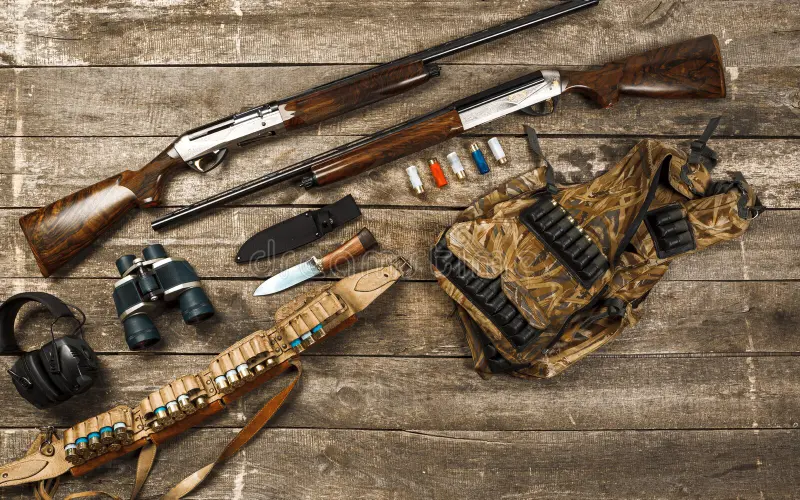
Instead, pack only essential hunting gear such as:
- Water
- First-aid kit
- Knife
- Flashlight
- Extra ammunition
- GPS
- Binoculars
- Rangefinder
A lighter pack makes long hikes much easier.
7. Moving Too Fast
Patience remains one of the greatest hunting skills.
Many hunters unknowingly scare away game because they:
- Walk too quickly
- Snap branches
- Rush into stands
- Fail to observe surroundings
Slow, deliberate movement allows you to spot wildlife before it notices you.
8. Forgetting Safety Equipment
Safety should never be optional.
Essential safety gear includes:
- Blaze orange clothing (where required)
- First-aid kit
- Emergency whistle
- Satellite communicator or GPS
- Headlamp
- Fire starter
- Survival blanket
Being prepared can make a huge difference during emergencies.
9. Poor Shot Selection
One of the most common ethical mistakes is taking low-percentage shots.
Hunters should always wait for:
- A clear target
- Proper shooting angle
- Safe background
- Comfortable shooting position
Never rush a shot simply because you’re excited.
10. Neglecting Gear Maintenance
Dirty equipment causes problems.
Before every hunt:
- Clean firearms.
- Inspect optics.
- Sharpen knives.
- Charge batteries.
- Test electronic devices.
- Check backpack straps.
- Replace damaged gear.
Reliable equipment improves both safety and performance.
11. Ignoring Local Hunting Regulations
Regulations change every season.
Always verify:
- Hunting licenses
- Bag limits
- Season dates
- Legal hunting methods
- Public land restrictions
- Required safety equipment
Following regulations protects wildlife populations and helps preserve hunting opportunities for future generations.
12. Overlooking Physical Fitness
Many hunters underestimate how physically demanding hunting can be.
Long hikes, climbing, carrying equipment, and recovering harvested game require endurance.
Preparing before hunting season with regular walking, strength training, and cardio can improve both comfort and performance in the field.
13. Failing to Scout the Area
Many hunters rely only on online maps.
While digital tools are useful, nothing replaces scouting in person.
Look for:
- Tracks
- Bedding areas
- Feeding zones
- Water sources
- Fresh droppings
- Travel corridors
The more you understand an area, the better your chances of success.
14. Making Too Much Noise
Wildlife can detect unnatural sounds long before hunters notice them.
Reduce noise by:
- Securing loose equipment
- Wearing quiet clothing
- Walking carefully
- Silencing backpack buckles
- Avoiding unnecessary conversations
Stealth is often more valuable than speed.
15. Forgetting Hydration and Nutrition
Long hunting days demand energy.
Carry:
- Plenty of water
- Protein snacks
- Trail mix
- Energy bars
- Electrolyte drinks
Staying hydrated helps maintain focus and endurance throughout the day.
Final Thoughts
Every hunting season offers new lessons. While no hunter is perfect, avoiding these common mistakes can significantly improve your safety, confidence, and overall success in the field.
Preparation, quality hunting equipment, regular practice, and respect for wildlife remain the foundation of ethical and successful hunting. Whether you’re pursuing deer, turkey, elk, or other game, taking the time to plan carefully and maintain your gear will help you make the most of every outing.
At Pro Hunting Range, we’re committed to helping hunters make informed decisions with reliable, high-quality hunting equipment designed for real-world performance. Explore our collection of optics, rangefinders, hunting accessories, backpacks, knives, and essential outdoor gear to ensure you’re fully prepared for your next adventure.
Frequently Asked Questions
What is the biggest mistake new hunters make?
The most common mistake is failing to prepare properly by skipping practice, neglecting scouting, or overlooking hunting regulations.
How can I improve my hunting success?
Scout your hunting area, practice regularly, monitor wind direction, use quality equipment, and remain patient in the field.
Why is scent control important?
Many game animals have an excellent sense of smell. Reducing human scent helps prevent animals from detecting your presence before you see them.
Should I carry all my hunting gear?
No. Pack only essential equipment to reduce weight, minimize noise, and stay mobile during long hunts.
How often should hunting gear be maintained?
Inspect and maintain your hunting gear before every trip. Clean firearms, check optics, sharpen knives, and ensure electronic devices are fully charged for reliable performance.
For Buying Premium Hunting Gear Visit: https://prohuntingrange.com/