






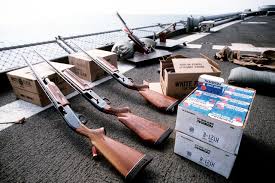
Understanding Shotguns: Safety, Legal Considerations, and Responsible Ownership
Introduction
Shotguns are among the most widely recognized types of firearms and are used around the world for sporting activities, hunting, and professional applications where permitted by law. For anyone considering firearm ownership, understanding how shotguns function, the legal responsibilities involved, and the importance of safe handling is essential. Responsible ownership begins with education, proper storage, and ongoing training.
What Is a Shotgun?
A shotgun is a firearm designed to fire shotgun shells, which may contain pellets or a single projectile depending on the ammunition type. Common action types include pump-action, semi-automatic, break-action, and bolt-action designs. Each operates differently and has distinct handling characteristics, making familiarity with the specific firearm important for safe use.
Safe Firearm Handling
Firearm safety should always be the highest priority. Widely accepted safety principles include:
- Treat every firearm as if it is loaded.
- Always keep the muzzle pointed in a safe direction.
- Keep your finger off the trigger until you have made the decision to shoot.
- Be certain of your target and what is beyond it.
Following these rules consistently helps reduce the risk of negligent accidents.
Secure Storage Matters
Proper storage is a key responsibility of firearm ownership. Firearms should be unloaded when stored and secured in a locked safe or cabinet designed for firearms. Ammunition should be stored separately in accordance with local laws and manufacturer recommendations. Responsible storage helps prevent unauthorized access, particularly by children or other individuals who should not have access.
Training and Familiarity
Owning a firearm involves more than purchasing one. Professional instruction can help new and experienced owners understand safe operation, maintenance, applicable laws, and responsible decision-making. Regular practice at an authorized shooting range also helps reinforce safe handling habits.
Maintenance and Care
Routine cleaning and inspection help maintain reliable operation and extend the service life of a shotgun. Follow the manufacturer’s maintenance instructions, use appropriate cleaning supplies, and inspect components for signs of wear or damage. If a firearm appears damaged or malfunctions, have it inspected by a qualified gunsmith before further use.
Understanding Local Laws
Firearm laws vary significantly by country, state, and municipality. Regulations may govern purchasing requirements, licensing, transportation, storage, and where firearms may legally be used. Owners should remain informed about the laws that apply in their jurisdiction and comply with all legal obligations.
Responsible Ownership
Responsible firearm ownership includes education, secure storage, routine maintenance, and respect for applicable laws. Whether someone participates in hunting, target shooting, or competitive shooting sports, a commitment to safety helps protect both the owner and the broader community.
Conclusion
A shotgun is a tool that requires knowledge, care, and responsibility. Before acquiring or using any firearm, take time to learn safe handling practices, understand your legal obligations, and seek professional instruction. Prioritizing education and responsible ownership contributes to safer firearm handling and promotes a culture of accountability.